Clear Land Without Hauling Debris Away
Forestry Mulching in Mount Dora for properties with dense brush, overgrown trails, and vegetation that limits land use
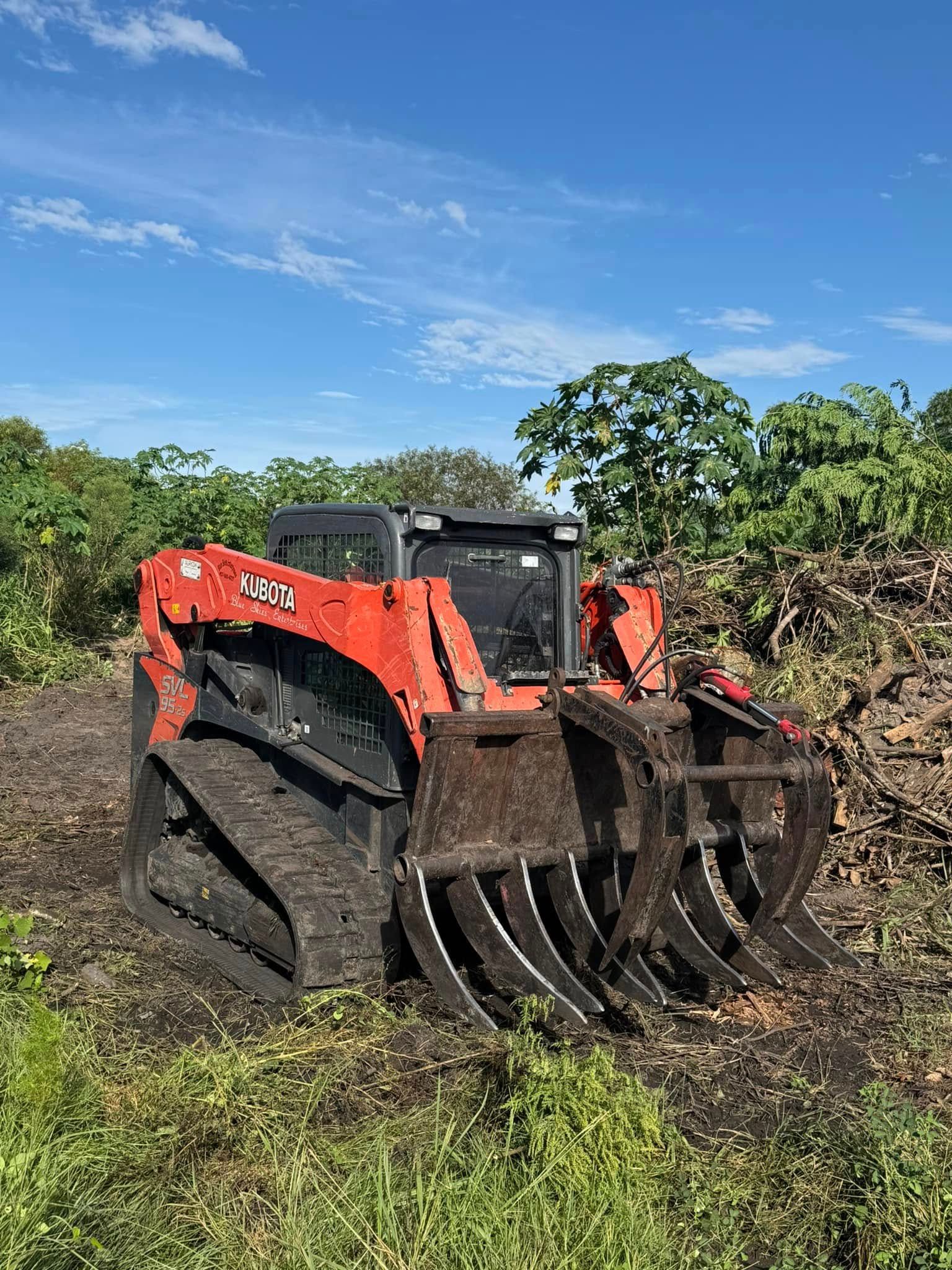
Blue Skies Tractor Co. handles forestry mulching across Mount Dora, Apopka, Tavares, and surrounding areas, a process that grinds standing vegetation into nutrient-rich mulch that stays on-site. You avoid the logistical burden of debris removal while preparing land for trails, pastures, or development. The equipment chews through saplings, brush, and undergrowth in a single pass, leaving a layer of organic material that suppresses weeds and returns nutrients to the soil.
This approach works particularly well in Central Florida, where rapid regrowth and dense palmetto thickets make traditional clearing methods labor-intensive and expensive. Instead of cutting, piling, hauling, and burning, the mulching head processes everything in place. The resulting mulch layer stabilizes soil, reduces erosion during heavy rains, and decomposes gradually to improve soil structure over time.
Request an on-site assessment to determine equipment access routes and coverage area for your property.
What Happens to the Vegetation During Mulching
The mulching attachment grinds vegetation into uniform chips that settle across the cleared area, creating a two- to four-inch layer depending on the density of what was standing. This layer blocks sunlight from reaching dormant seeds, which slows regrowth of invasive species while allowing desired grasses or plantings to establish. The mulch also moderates soil temperature and retains moisture, which matters during Florida's dry months when exposed soil hardens and cracks.
After the work is finished, you'll notice immediate improvement in sightlines and access. The ground remains level and walkable, without the ruts and compaction that tracked equipment can leave behind. Within weeks, the mulch begins breaking down, and within a season, it integrates into the topsoil as organic matter.
The process doesn't remove stumps below ground level or handle large hardwoods beyond a certain diameter, so properties with mature timber may require selective tree removal before mulching begins. The service focuses on clearing understory growth, invasive brush, and regenerating vegetation that prevents functional land use.
Property owners planning land clearing often want specifics about how the process works and what conditions affect the approach.
What Landowners Ask About Mulching Services
What types of vegetation can forestry mulching handle?
The equipment processes woody brush, saplings up to six inches in diameter, palmetto, invasive vines, and dense undergrowth. Mature hardwoods and stumps require different equipment.
How does mulching compare to traditional clearing methods?
Traditional clearing involves cutting, stacking, hauling, and disposal, which adds costs and delays. Mulching eliminates debris removal and enriches the soil in a single operation, reducing both time and expense.
What conditions in Mount Dora affect mulching work?
Sandy soils drain quickly, which means mulch layers decompose faster than in clay-heavy regions. Wet-season scheduling may require waiting for ground conditions to support equipment weight without rutting.
How long does the mulch layer last before it breaks down?
In Central Florida's heat and humidity, the mulch decomposes visibly within six months and integrates into the soil within a year. Thicker applications last longer and provide extended weed suppression.
What should the property look like after mulching is complete?
You'll see cleared ground covered in a consistent layer of shredded organic material, with vegetation removed to ground level and access routes open for walking or vehicle use.
Blue Skies Tractor Co. provides forestry mulching tailored to your land management goals, whether you're preparing trails, expanding pasture, or clearing overgrown acreage. Schedule a property evaluation to review vegetation density and equipment access requirements specific to your site.